
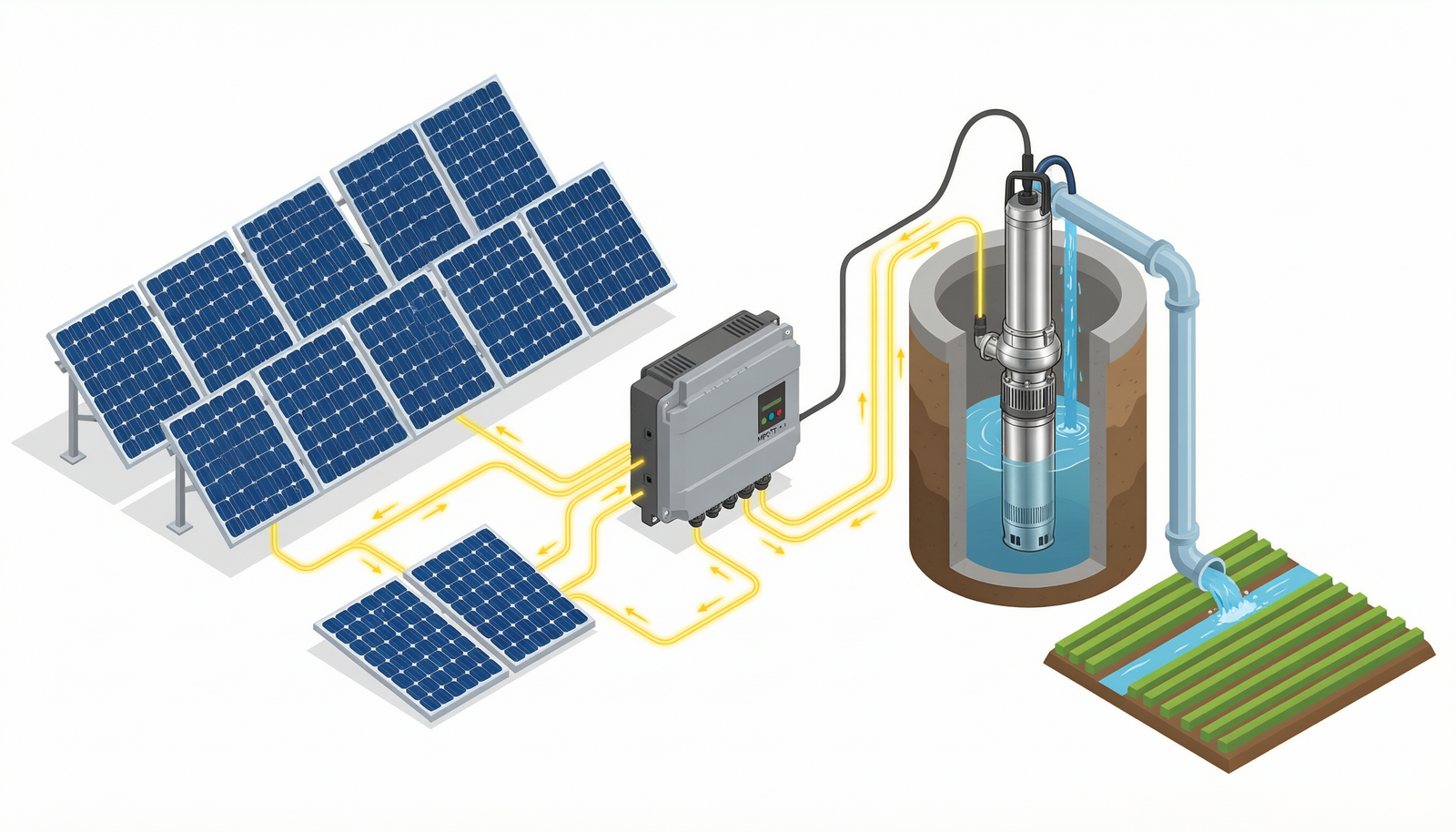
Deciding on the right irrigation technology is a critical step for modern farm management. As fuel prices fluctuate and grid infrastructure remains unreliable in remote areas, many agricultural professionals are turning their attention to photovoltaic solutions. Understanding the advantages and disadvantages of solar water pumps is essential for making an informed investment that balances immediate budget constraints with long-term operational efficiency.
Solar water pumps offer a compelling alternative to traditional diesel generators and grid-connected electric motors. They promise energy independence, reduced labor, and environmental sustainability. However, they also come with unique challenges, such as higher upfront capital expenditure and dependency on weather conditions. This guide provides a balanced, technical analysis to help you determine if a solar pumping system aligns with your specific agricultural needs.
The Core Advantages: Why Farmers Are Switching to Solar
The shift toward solar irrigation is driven by several operational and economic factors. For many farm owners, the primary motivation is not just environmental stewardship, but the tangible improvement in daily workflow and cost predictability.
Zero Fuel Costs and Energy Independence
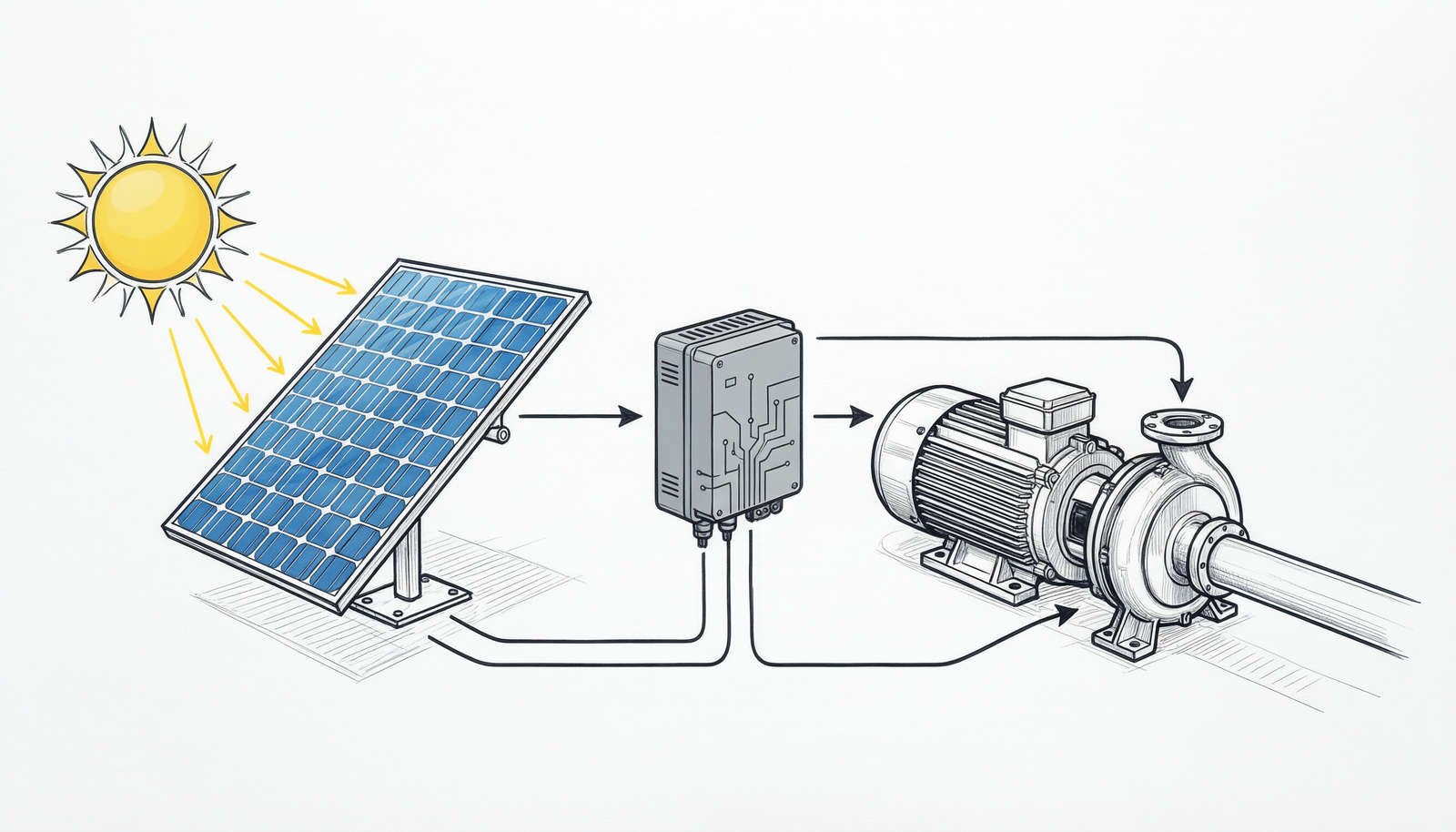
The most significant advantage of solar water pumps is the elimination of ongoing fuel costs. Unlike diesel or petrol pumps, which require constant refueling and are subject to volatile global oil prices, solar pumps harness free energy from the sun. Once the system is installed, the marginal cost of pumping water is effectively zero.
This energy independence is particularly valuable for off-grid locations where transporting fuel is logistically challenging and expensive. By removing the need for fuel storage tanks and regular deliveries, farmers can redirect resources toward other critical aspects of crop management. Furthermore, solar systems are immune to the inflationary pressures that frequently impact fossil fuel markets, providing a stable financial outlook for long-term planning.
Reduced Labor and Minimal Maintenance
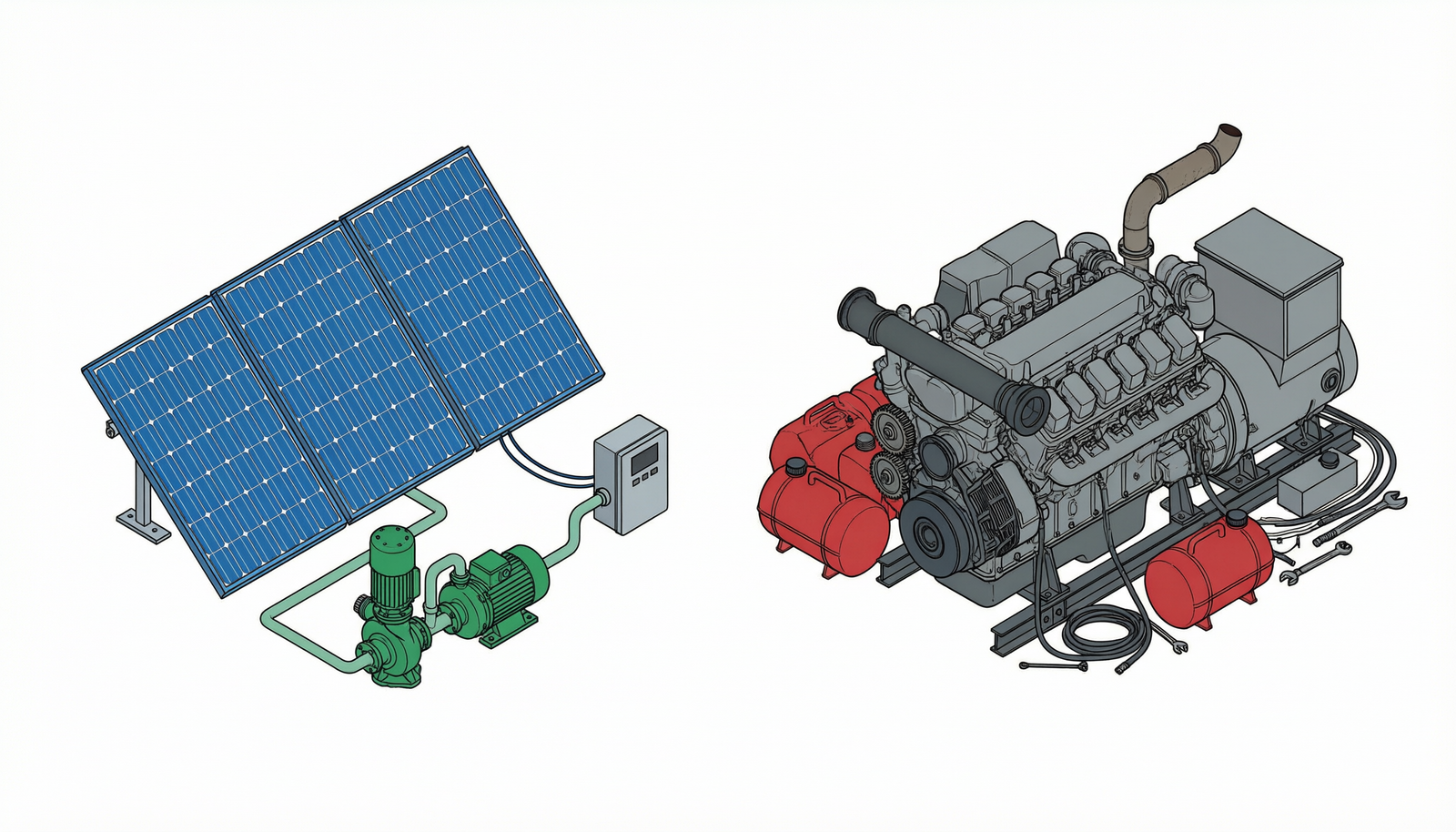
Solar water pumps are designed for durability and simplicity, resulting in significantly lower maintenance requirements compared to internal combustion engines. Diesel generators have numerous moving parts, including pistons, valves, and filters, which require regular servicing, oil changes, and eventual overhaul. In contrast, solar pumps typically use brushless DC motors with fewer mechanical components, reducing the risk of breakdown.
For surface solar pumps, maintenance is often straightforward and can be performed with basic tools on-site. The primary maintenance task involves keeping the solar panels clean to ensure maximum energy absorption. This reduction in labor allows farm workers to focus on irrigation management and crop care rather than mechanical repairs. Additionally, the absence of fuel handling eliminates the safety risks associated with storing and transporting flammable liquids.
Environmental Sustainability and Soil Health
Agriculture is increasingly under pressure to adopt sustainable practices. Solar water pumps contribute to this goal by producing zero emissions during operation. Unlike diesel pumps, which release harmful particulates and greenhouse gases, solar systems operate silently and cleanly. This is particularly important for farms located near residential areas or sensitive ecological zones.
Moreover, solar pumps eliminate the risk of fuel spills, which can contaminate soil and groundwater. By preventing hydrocarbon leakage, farmers protect the long-term health of their land and ensure that their irrigation water remains pure. This environmental benefit aligns with growing consumer demand for sustainably produced food and can enhance the marketability of farm products.
Cost Analysis Support
Unsure About the Initial Cost?
Let our engineers calculate your long-term savings and design a system that fits your budget. Share your application details for a personalized assessment.
Addressing the Disadvantages: Myths vs. Realities
While the benefits are substantial, it is crucial to acknowledge the limitations of solar technology. Understanding these disadvantages allows for better system design and expectation management.
High Upfront Investment vs. Long-Term ROI
The most common barrier to adopting solar water pumps is the high initial capital expenditure (CapEx). Purchasing solar panels, mounting structures, controllers, and the pump itself requires a larger upfront investment compared to buying a standard diesel pump. This cost can be prohibitive for small-scale farmers or those with limited access to credit.
However, this disadvantage must be viewed through the lens of Total Cost of Ownership (TCO). When calculating the return on investment, one must factor in the savings from eliminated fuel costs, reduced maintenance, and longer equipment lifespan. Over a period of three to five years, many solar systems break even, after which they generate pure savings. Additionally, the cost of solar technology continues to decline, while fuel prices generally trend upward, narrowing the gap in initial affordability.
Dependency on Sunlight and Weather Conditions
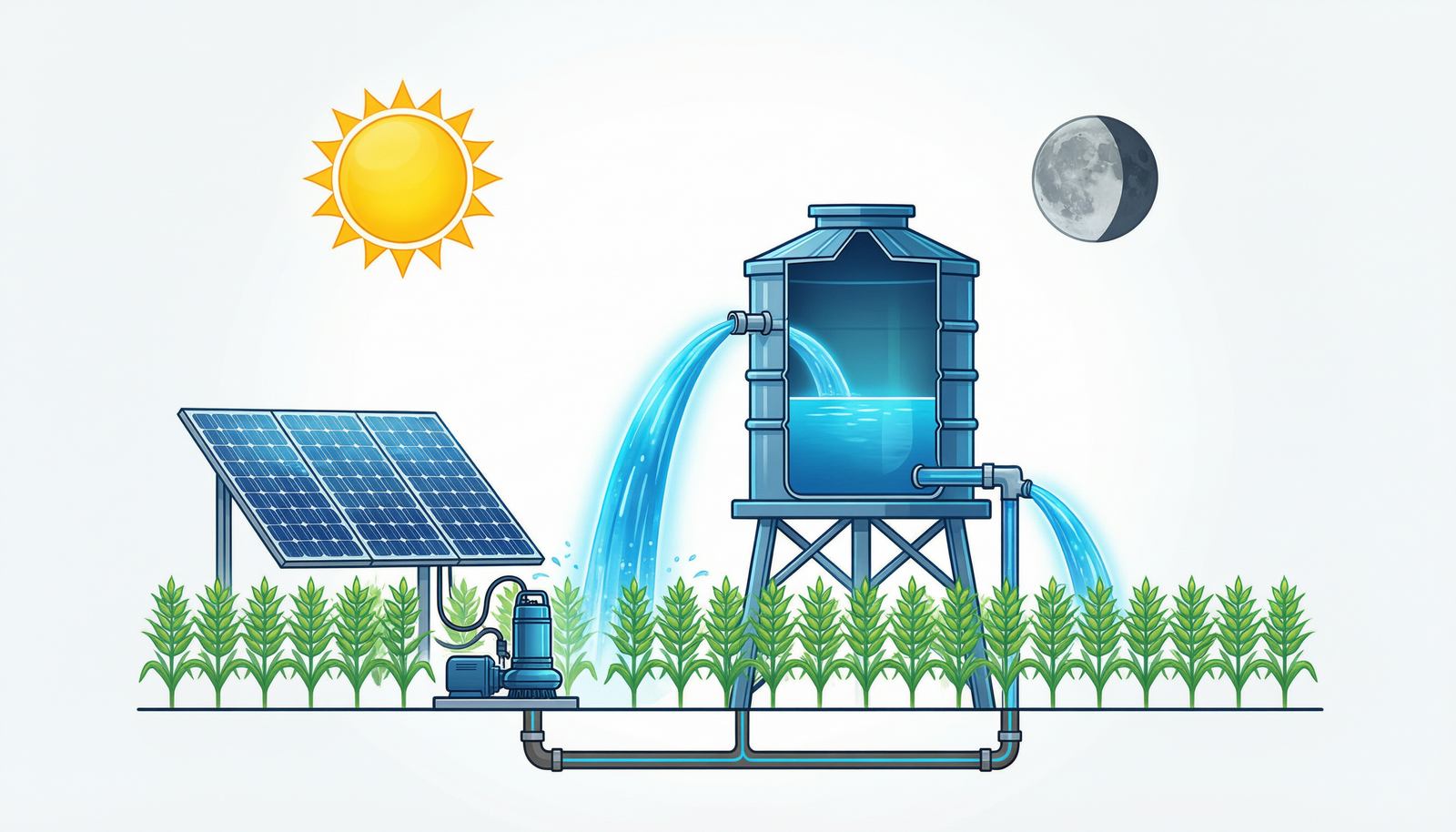
Solar pumps are inherently dependent on sunlight. They do not operate at night and may experience reduced output during cloudy or rainy days. This intermittency can be a concern for farmers who require consistent water delivery regardless of weather conditions. Critics often cite this as a major drawback, suggesting that solar pumps are unreliable.
In reality, this challenge is easily managed through proper system design. The most effective solution is to use water storage tanks as a form of “gravity battery.” During peak sunlight hours, the pump fills an elevated tank, which then provides water via gravity feed throughout the night and during cloudy periods. This approach is often more cost-effective and reliable than using chemical batteries, which have limited lifespans and require replacement. For critical applications, hybrid systems that combine solar with grid or generator backup can ensure uninterrupted supply.
Solar vs. Diesel vs. Grid Electric: A Quick Comparison
To visualize the trade-offs, consider the following comparison of common pumping technologies. This overview highlights where solar pumps excel and where traditional methods may still hold an edge.
| Feature | Solar Water Pump | Diesel Pump | Grid Electric Pump |
|---|---|---|---|
| Initial Cost | High | Low | Moderate |
| Fuel/Energy Cost | Zero (Free Sun) | High (Volatile) | Moderate (Variable) |
| Maintenance | Low (Panel Cleaning) | High (Engine Service) | Low |
| Lifespan | 15-20+ Years | 5-10 Years | 10-15 Years |
| Environmental Impact | None | High Emissions | Depends on Grid Source |
| Off-Grid Capability | Excellent | Excellent | None |
This table illustrates that while solar pumps require a higher initial outlay, they offer superior long-term value, especially in off-grid scenarios. Diesel pumps remain a viable option for emergency backup or extremely high-volume, short-duration pumping, but their operational costs make them less attractive for daily irrigation.
How to Maximize the Benefits of Your Solar Pump System
To ensure you reap the full advantages of solar irrigation, proper sizing and installation are critical. An undersized system will fail to meet water demands, while an oversized system represents wasted capital. Key considerations include:
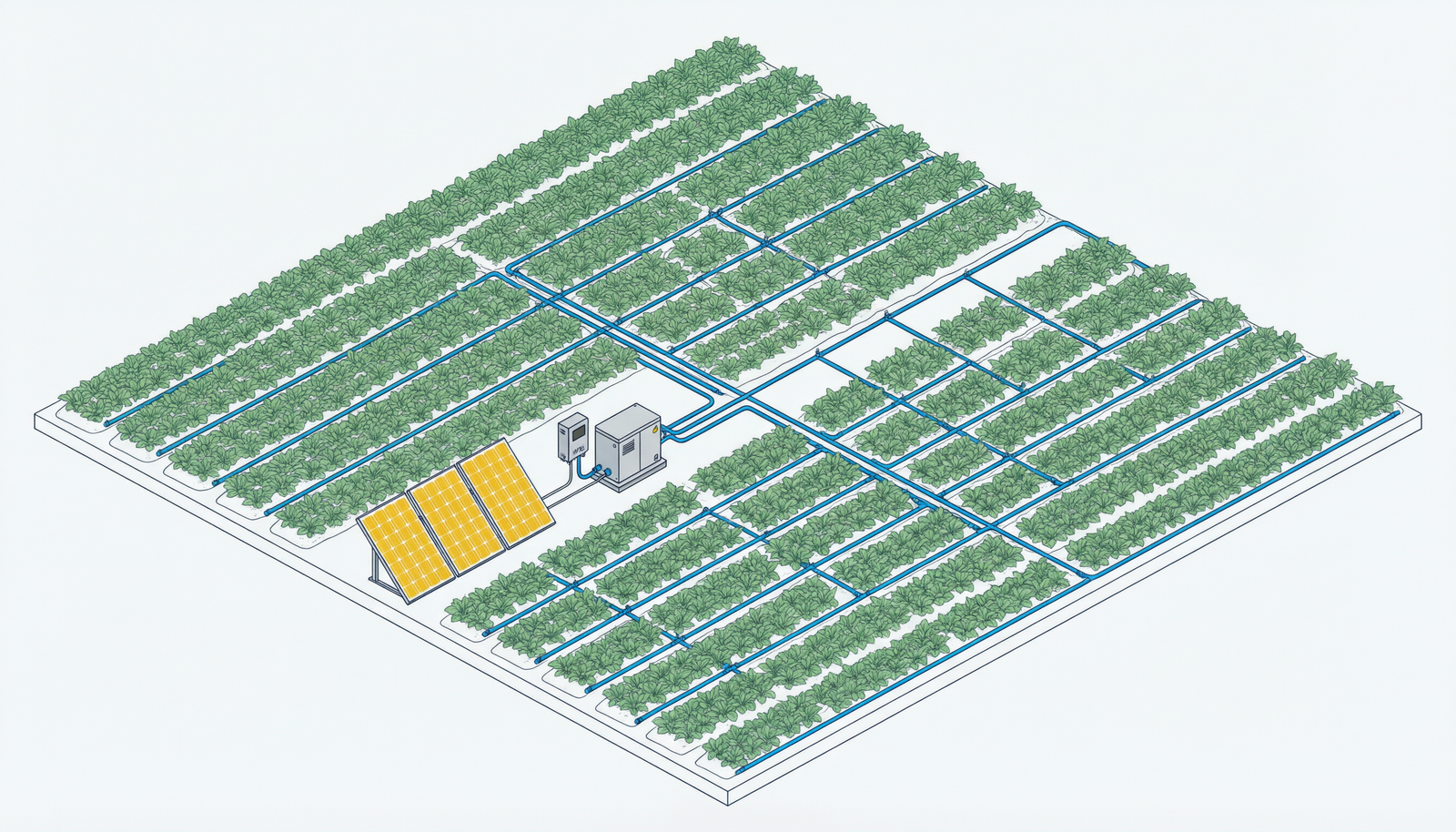
- Accurate Water Demand Calculation: Determine your daily water requirement based on crop type, soil conditions, and local climate. This dictates the pump’s flow rate and head capacity.
- Optimal Panel Placement: Install solar panels in a location with maximum sun exposure, free from shading by trees or buildings. Regular cleaning is essential to maintain efficiency.
- Integration with Efficient Irrigation: Pair your solar pump with drip or micro-sprinkler systems to maximize water use efficiency. This reduces the total volume of water needed, allowing for a smaller, more affordable solar array.
- Professional Sizing: Consult with a qualified engineer to select the right MPPT controller and pump combination. Proper matching ensures the system operates at peak efficiency across varying light conditions.
Conclusion
The advantages and disadvantages of solar water pumps reveal a technology that is highly suitable for modern, sustainable agriculture. While the high upfront cost and weather dependency present initial challenges, these are manageable through smart system design, such as using water storage instead of batteries. The long-term benefits of zero fuel costs, minimal maintenance, and environmental protection make solar pumps a wise investment for farmers seeking reliability and independence.
By understanding these factors, you can make a confident decision that supports both your farm’s productivity and its financial health. Whether you are irrigating crops, watering livestock, or supplying an off-grid homestead, solar pumping offers a robust, future-proof solution.
Expert Consultation
Ready to Switch to Solar Irrigation?
Speak with a Sunbeam Pump specialist to discuss your farm’s specific water needs, target flow, and solar potential. We are here to help you transition smoothly.