
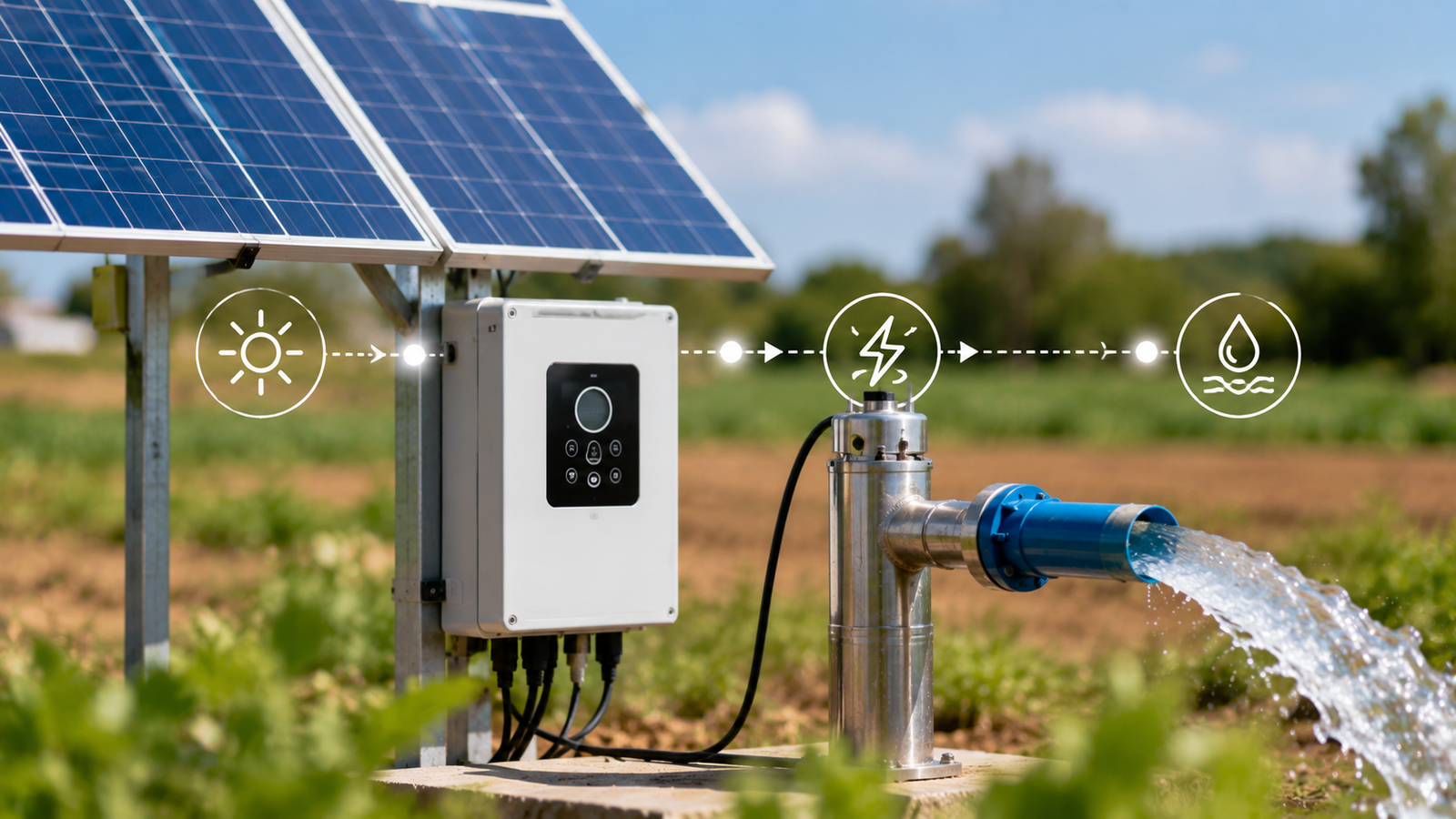
In modern water supply and irrigation projects, solar pump solutions are becoming an increasingly popular alternative to traditional diesel or electric pumping systems. By harnessing solar energy, a solar water pump delivers reliable water flow without depending on grid power or costly fossil fuels. This technology has transformed operations for agriculture, livestock management, rural water supply, and even industrial applications where access to electricity can be limited or inconsistent.
A solar-powered pump works by converting sunlight into electrical energy, which is then used to power a submersible or surface pump. With the right system design, these pumps can handle everything from deep well extraction to surface water transfer, ensuring consistent water delivery even in remote locations. Their durability, low maintenance requirements, and long-term cost savings make them a preferred choice for businesses and organizations seeking both reliability and sustainability.
In this article, we will explore what a solar pump is, the main types available, how to choose the right model for your operational needs, and the key factors to consider when installing and maintaining your system. We will also look at how to evaluate total cost of ownership and return on investment, helping you make informed decisions that maximize efficiency and long-term benefits.
What Is a Solar Pump? How Does It Compare to Traditional Electric or Diesel Pumps?
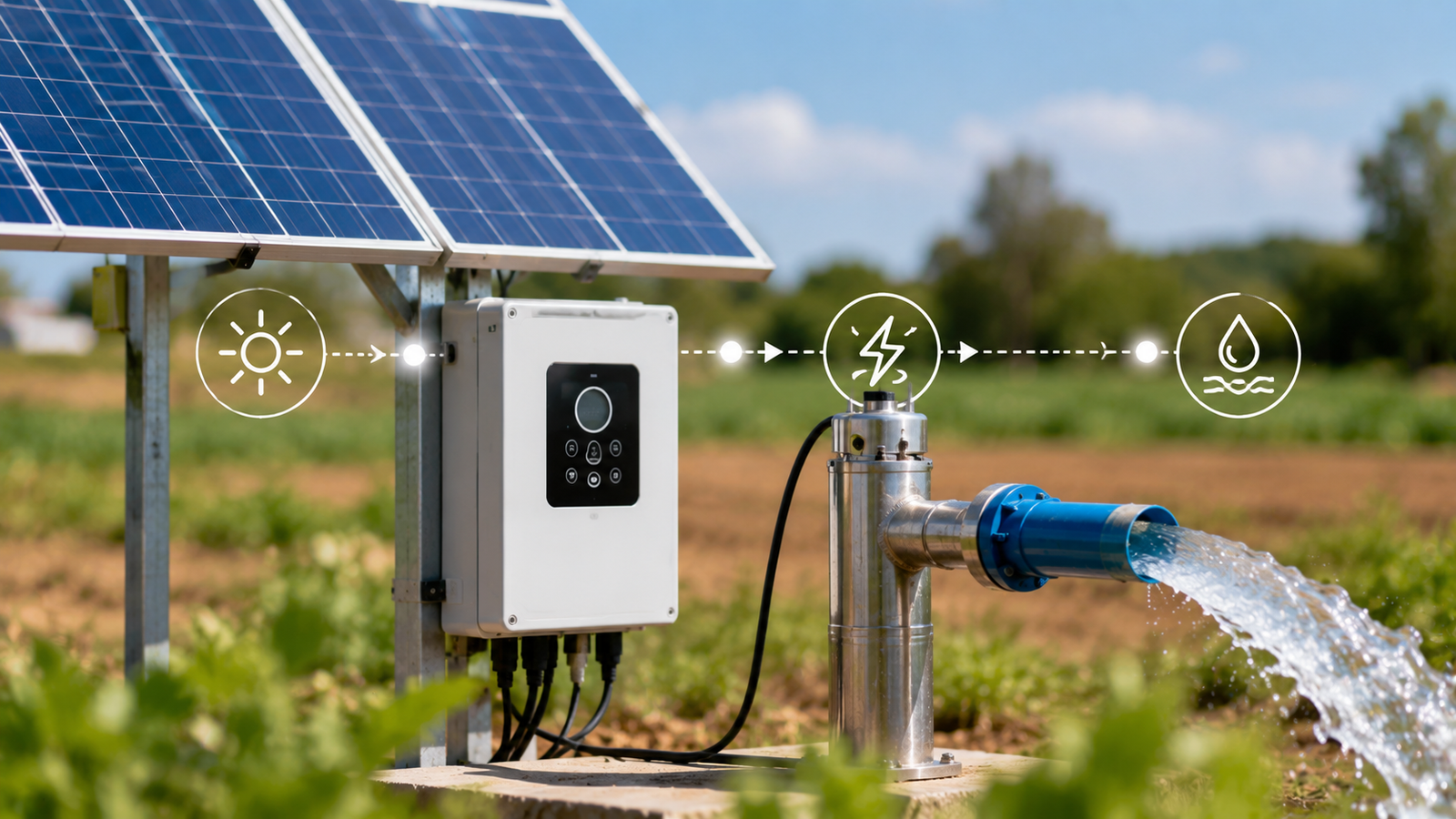
A solar pump is a water pumping system powered entirely by solar energy, designed to replace or supplement traditional electric or diesel-driven pumps. It consists of solar panels, a pump (either submersible or surface-mounted), and a controller that manages power conversion and system protection. By using sunlight as the energy source, a solar water pump eliminates dependency on external electricity or fuel, making it a cost-effective and eco-friendly solution.
Key Advantages Over Traditional Pumps
One of the biggest advantages of a solar-powered pump is its operating cost. Unlike diesel pumps, which require regular fuel purchases, or electric pumps, which incur ongoing utility charges, a solar pump uses free solar energy. This dramatically lowers running costs and reduces exposure to fluctuating fuel prices. In remote areas where fuel delivery and power supply are challenging, this independence becomes even more valuable.
Another critical benefit is low maintenance. Solar pumps have fewer moving parts and do not rely on internal combustion, meaning they experience less wear and tear compared to diesel pumps. This leads to longer service life and fewer breakdowns, which is particularly important for applications requiring consistent water delivery.
Typical Applications
Solar water pumps are widely used in irrigation systems, livestock watering, village water supply, aquaculture, and small-scale industrial applications. For example, in agriculture, solar pumps can be integrated with drip or sprinkler irrigation systems, ensuring efficient water use and improved crop yield. In livestock operations, they provide a reliable water source in remote grazing areas without the need for manual refilling.
Energy Efficiency and Environmental Impact
Traditional diesel pumps not only consume fossil fuels but also release harmful emissions into the environment. A solar-powered pump, on the other hand, has zero emissions during operation, supporting sustainability goals and minimizing environmental footprint. Furthermore, with the advancement of technologies like MPPT (Maximum Power Point Tracking) in pump controllers, solar pumps achieve higher energy efficiency and better performance even under varying sunlight conditions.
By understanding the benefits and operational scope of a solar pump, businesses can better evaluate its potential as a replacement or complement to conventional pumping solutions. Next, we will compare different pump types—such as JDS solar submersible pumps and DHF surface pumps—to help you identify which design best suits your project.
How to Choose the Right Solar Water Pump: Surface Pump vs. Submersible Pump?
When selecting a solar water pump, one of the most important decisions is whether to use a surface pump or a submersible pump. Each type has unique features and is suited for different operational conditions. Choosing the right model ensures optimal performance, reduced energy consumption, and long-term reliability.
Surface Pumps: When Are They the Best Fit?
A surface pump, like the DHF Surface Pump, is installed above the water source and is designed to draw water from shallow depths. These pumps are ideal for applications where the water level is less than 7–8 meters deep, such as ponds, rivers, tanks, or shallow wells.
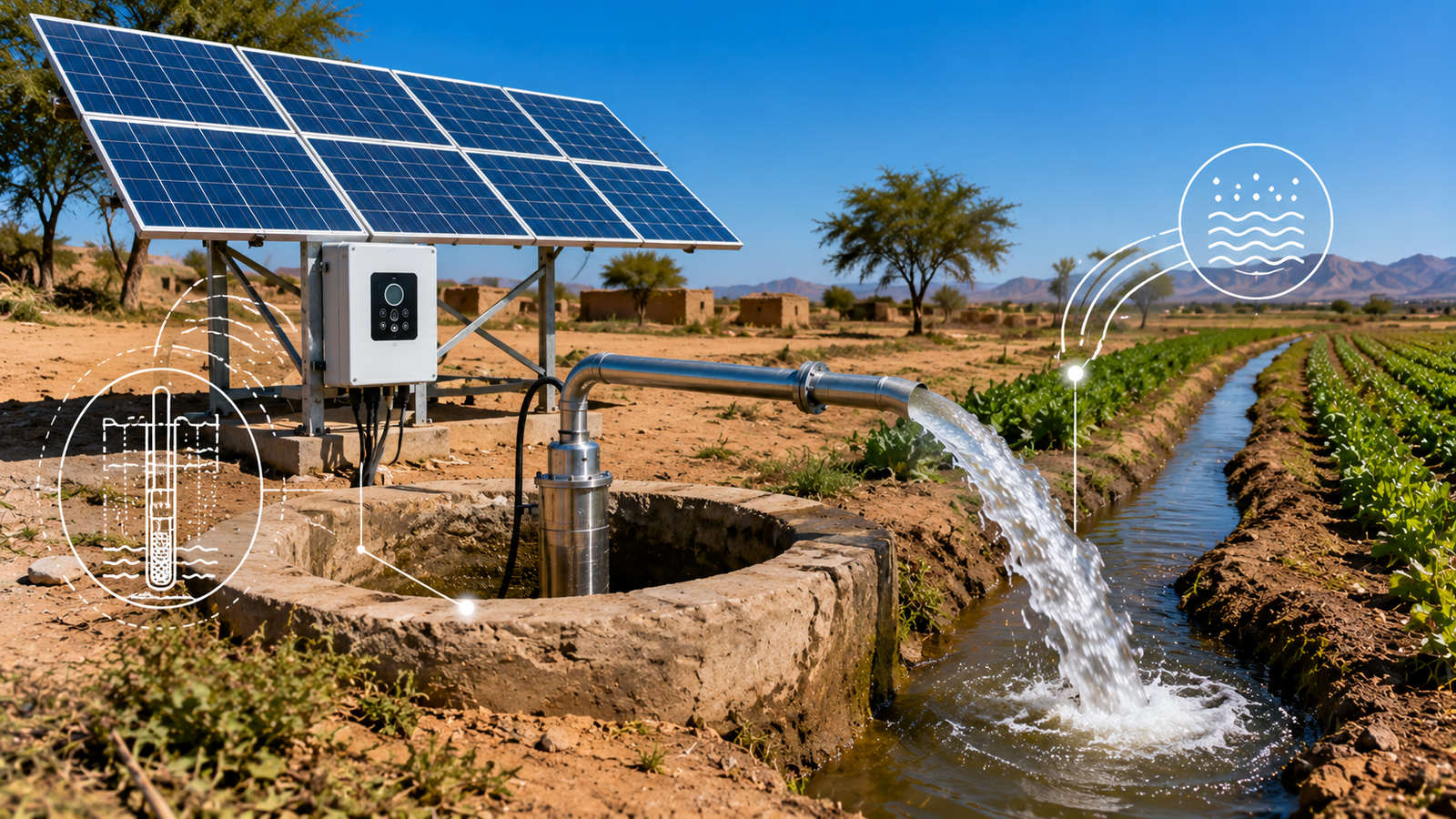
- Key Advantages: Surface pumps are easy to install and maintain because they remain accessible at ground level. They are well-suited for applications requiring frequent relocation or for systems with above-ground storage tanks.
- Common Applications: Surface pumps are widely used in irrigation networks, small-scale water transfer projects, and rural community water supply systems where water sources are easily accessible.
Submersible Pumps: The Solution for Deep-Water Applications
A submersible solar-powered pump, such as the JDS Solar Submersible Pump, is placed directly inside the water source. These pumps are designed for deep wells or water tables that exceed the suction limit of surface pumps.
- Key Advantages: Submersible pumps are more efficient for lifting water from depths exceeding 8 meters. Because they operate underwater, they avoid priming issues and are less susceptible to temperature fluctuations or dry running when paired with proper controllers.
- Common Applications: These pumps are ideal for deep boreholes, large agricultural projects, or installations requiring consistent water flow from underground aquifers.
How to Decide Which Pump Type Is Right for You
The choice between a surface pump and a submersible pump largely depends on three factors:
- Water Depth: If your water source is shallow, a surface pump may be more practical. For deep wells or boreholes, a submersible pump is essential.
- Flow Rate Requirements: Projects needing high flow rates over long distances may benefit from the pressure capabilities of submersible pumps.
- Accessibility and Maintenance: Surface pumps are easier to service, while submersible pumps require less frequent maintenance but are harder to access when needed.
By assessing your site conditions and water demands, you can select the most suitable solar water pump type. In the next section, we will discuss how to properly size your system—considering factors such as head, flow rate, solar array capacity, and daily water requirements—to ensure reliable operation.
Custom Sizing Assistance
Need Help Calculating Your ROI?
Share your application details, water source depth, target flow, and available power conditions. Our engineers will provide a customized system sizing proposal.
How to Correctly Size a Solar-Powered Pump: Head, Flow Rate, Sunlight, and PV Configuration
Choosing the right type of solar water pump is only the first step. Proper system sizing is critical to ensure reliable water delivery, maximize efficiency, and prevent equipment from being over- or under-utilized. Factors such as total dynamic head (TDH), required flow rate, available sunlight, and the solar array configuration all play a key role in determining the ideal pump and power setup.
Determining the Total Dynamic Head (TDH)
The total dynamic head is the total vertical distance the pump must lift the water, plus any friction losses from piping.
- Static Head: The vertical distance from the water source to the highest discharge point.
- Friction Losses: Resistance in pipes, fittings, and filters, which increases with pipe length and flow rate.
Accurate TDH calculation ensures that the pump you select can meet the lift requirements without being oversized, which can lead to unnecessary energy consumption.
Calculating the Required Flow Rate
The required flow rate depends on how much water you need daily and how quickly you need to deliver it.
- Agricultural Irrigation: Flow rate depends on crop type, field size, and irrigation method (drip, sprinkler, or flood).
- Community Water Supply: Flow rate is based on the number of people served and per capita water needs.
Once the daily water requirement is established, the pump can be selected to meet the demand within the available pumping hours.
Matching Pump Output to Solar Resource Availability
Because a solar-powered pump operates on sunlight, it is essential to consider your location’s solar resource when designing the system.
- Sunlight Hours: More sunlight hours mean a smaller solar array can meet the demand, while areas with limited sunlight may require additional panels.
- Seasonal Variation: Plan for the lowest seasonal sunlight levels to ensure reliable water delivery year-round.
Selecting the Right PV Array and Controller
A correctly sized solar array provides sufficient energy to run the pump at its required performance. The array must account for system losses and be paired with a quality controller featuring MPPT (Maximum Power Point Tracking) for maximum efficiency.
- Controllers: Modern pump controllers regulate voltage, protect against dry running, and manage start/stop operations, extending the life of the pump.
Practical Example: JDS and DHF Pumps
For deep wells with a TDH above 60 meters, the JDS Solar Submersible Pump is a suitable choice due to its high lift capability and durability. For shallow water sources or applications requiring frequent relocation, the DHF Surface Pump can deliver the necessary flow while being easier to maintain and install.
By carefully evaluating these parameters, you can design a solar water pump system that operates efficiently, delivers consistent water output, and optimizes energy usage. In the next section, we will focus on the key installation and maintenance practices that ensure the long-term reliability of your solar-powered pumping system.
How to Install and Maintain a Solar Water Pump System for Long-Term Reliability?
A well-designed solar water pump system needs proper installation and routine maintenance to operate efficiently for years. Focusing on correct setup, protective components, and simple upkeep can prevent failures, reduce downtime, and maximize return on investment.
Proper Installation Practices
A reliable system starts with proper site assessment and installation:
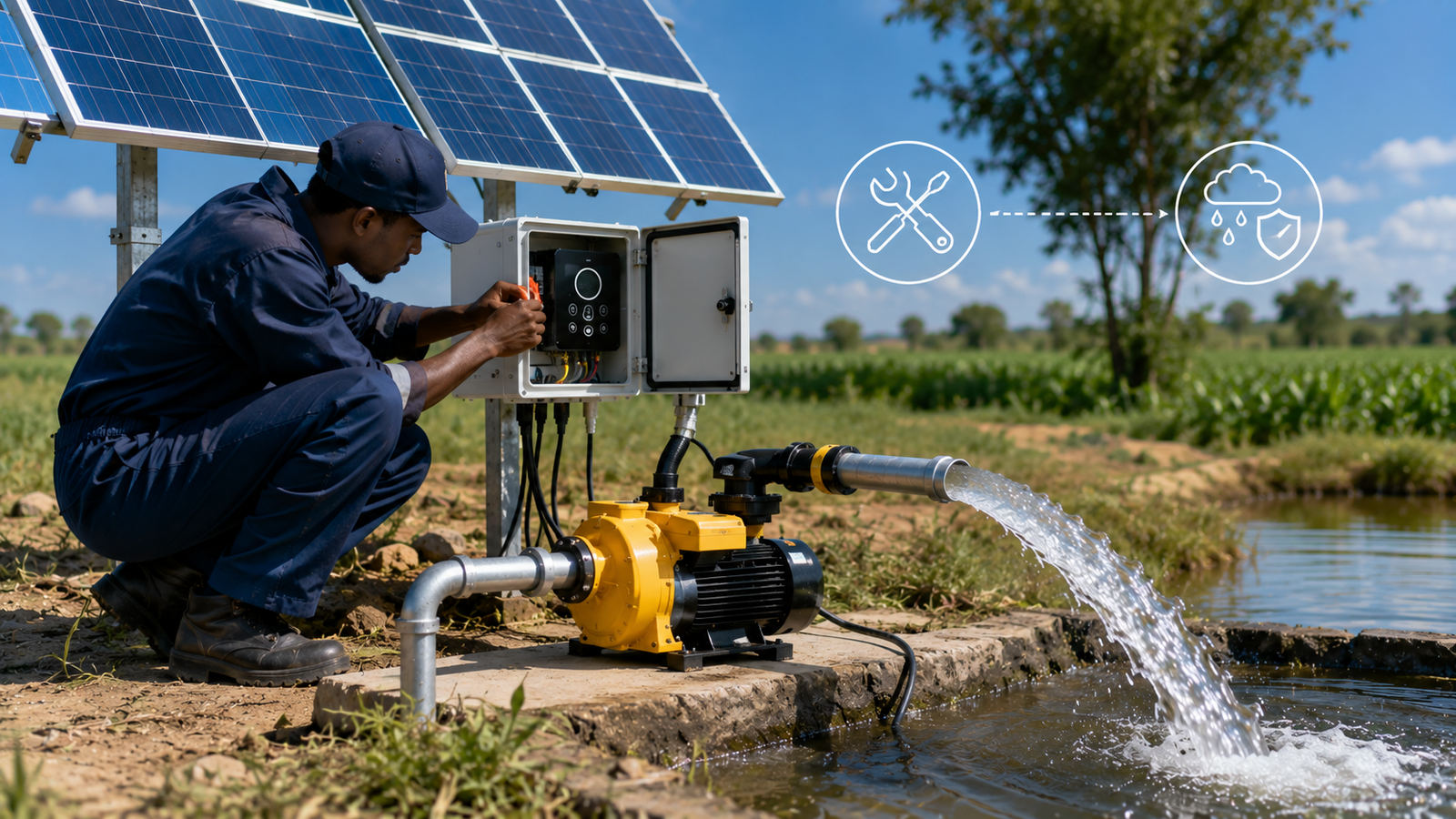
- Solar Panel Positioning: Panels must be installed in a location with maximum sun exposure, ideally tilted at the correct angle for your region to capture optimal energy year-round. Avoiding shading from trees or structures is essential for consistent output.
- Pump Placement: For surface pumps like the DHF Surface Pump, ensure the pump is installed close to the water source to reduce suction distance. For JDS Solar Submersible Pumps, install at the correct depth in the borehole, ensuring adequate water submersion to prevent dry running.
- Controller and Wiring: Use quality cables and weatherproof enclosures for controllers and electrical connections. This protects the system from environmental damage and ensures stable performance.
Key System Components to Consider
Adding the right components improves performance and longevity:
- Pump Controllers: Advanced controllers with MPPT functionality optimize solar energy conversion and protect against dry running or overload.
- Storage Tanks: A correctly sized storage tank ensures water availability during cloudy days and reduces the need for continuous operation.
- Filters and Non-Return Valves: Installing intake filters and check valves prevents debris from damaging the pump and eliminates backflow issues.
Maintenance Guidelines for Solar-Powered Pumps
While a solar water pump is known for low maintenance, routine checks can significantly extend its life:
- Solar Panel Cleaning: Dust and debris reduce solar efficiency. Panels should be cleaned periodically, especially in dry and dusty environments.
- Inspect Wiring and Connections: Loose or corroded connections can cause performance issues. Check wiring integrity and tighten connections as necessary.
- Monitor Pump Performance: Changes in flow rate or unusual noises can indicate issues such as clogged intake or worn components. Early detection prevents costly repairs.
Training and Documentation
Providing clear instructions to personnel responsible for system operation ensures consistency. Keeping a maintenance log with dates, inspections, and corrective actions is a good practice for long-term reliability.
With a properly installed and maintained system, a solar-powered pump can operate for 10–15 years or more with minimal interruptions. In the next section, we will discuss how to evaluate total cost of ownership and the financial benefits of investing in a solar water pump system.
How to Evaluate Total Cost of Ownership and Return on Investment for a Solar Pump?
Before investing in a solar water pump, it’s crucial to understand the total cost of ownership (TCO) and potential return on investment (ROI). Unlike traditional pumps that have lower initial costs but higher operational expenses, a solar-powered pump requires a larger upfront investment but delivers significant long-term savings.
Understanding Total Cost of Ownership
The TCO includes initial equipment cost, installation cost, and lifetime operating costs.
- Initial Costs: These cover the pump (e.g., JDS Solar Submersible Pump or DHF Surface Pump), solar panels, controller, wiring, and accessories.
- Operating Costs: Solar pumps use free solar energy, eliminating recurring fuel or electricity bills. Maintenance costs are also minimal compared to diesel or electric pumps.
- Replacement Costs: Quality solar pumps have a lifespan of 10–15 years, meaning fewer replacements over time.
By considering these factors, businesses can plan for a predictable and low-maintenance water pumping solution.
Calculating Return on Investment
ROI measures how quickly the initial investment pays for itself through cost savings:
- Fuel and Electricity Savings: Diesel pumps require ongoing fuel purchases, while electric pumps incur utility costs. Solar pumps remove these expenses entirely.
- Reduced Maintenance Costs: With fewer moving parts and no combustion engines, a solar water pump system saves on service and repairs.
- Increased Productivity: Reliable water supply leads to improved agricultural yield, livestock health, and operational efficiency, further boosting financial returns.
A well-designed solar pump system often pays for itself in 3–5 years, after which the water supply is virtually cost-free.
Financial Incentives and Long-Term Value
In many regions, financial incentives such as grants, tax deductions, or subsidies can significantly lower the upfront cost. Additionally, solar-powered pumps enhance property and project value by adding sustainable infrastructure.
Making the Right Investment Decision
When evaluating systems, always compare TCO rather than just the purchase price. A solar water pump may cost more upfront, but its long-term savings, reduced environmental impact, and operational independence make it a smart investment. Choosing reliable models like the JDS Solar Submersible Pump for deep water sources or the DHF Surface Pump for shallow installations ensures performance and durability.
Conclusion
A solar water pump is no longer just an alternative to traditional pumping systems; it has become a reliable, cost-effective, and sustainable solution for modern water supply needs. By leveraging free solar energy, it eliminates fuel and electricity costs, reduces environmental impact, and ensures water availability even in remote or off-grid locations.
When selecting the right system, it’s essential to assess your water source, daily water requirements, and project conditions. Whether you choose a surface pump like the DHF Surface Pump for shallow applications or a submersible pump like the JDS Solar Submersible Pump for deeper water sources, proper sizing, installation, and routine maintenance will ensure your system delivers consistent performance for years to come.
The long-term savings on operational costs, coupled with minimal maintenance and enhanced productivity, make investing in a solar-powered pump an intelligent choice. With the right design and trusted products, you can achieve a dependable water supply that supports your operations while protecting the environment.
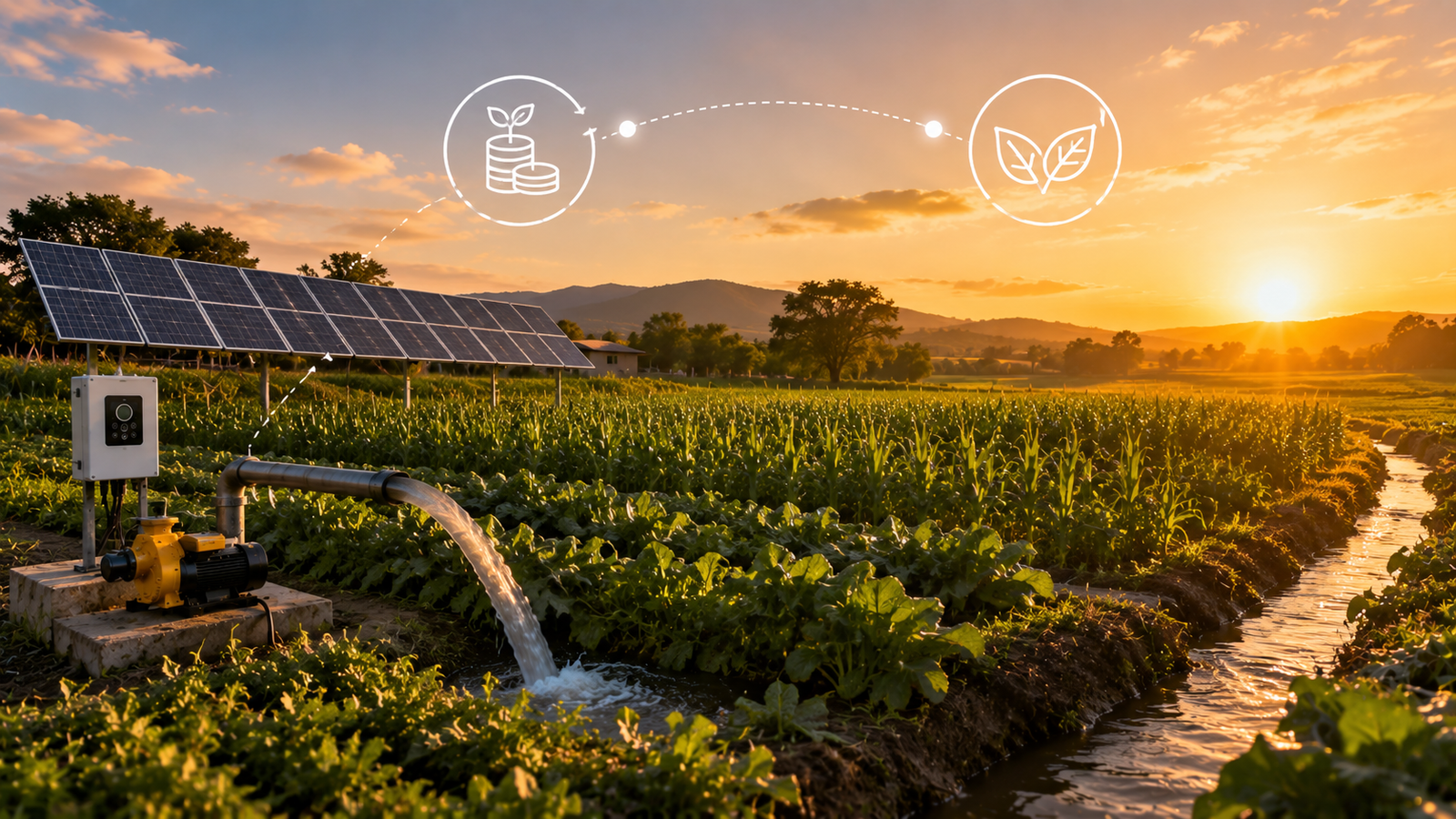
Start Saving Today
Ready to Eliminate Fuel Costs?
Let Sunbeam Pump design a high-efficiency solar solution tailored to your farm’s needs. Contact us to discuss your project requirements.