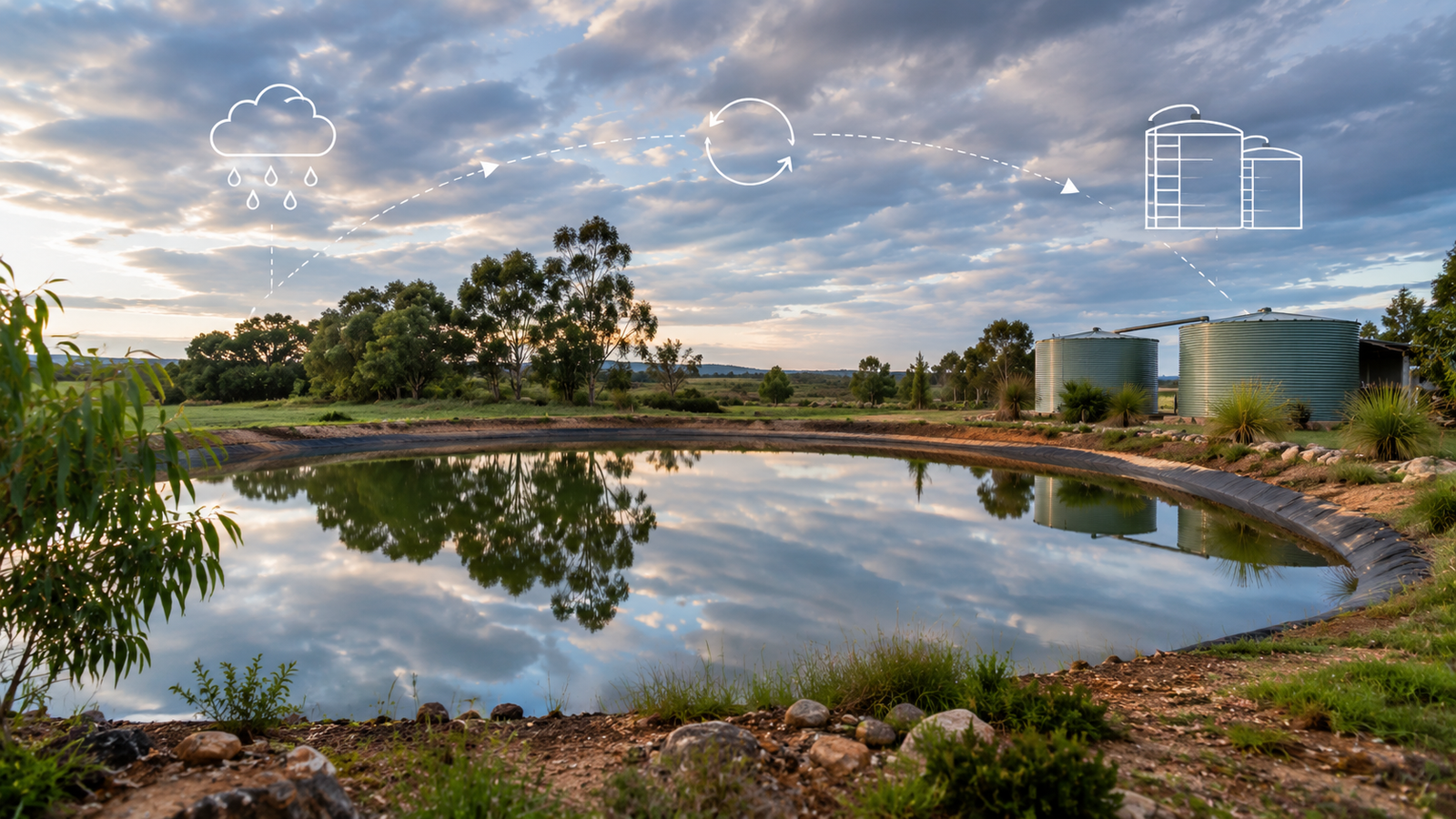
Agriculture is the most water-intensive industry on the planet, consuming approximately 70% of global freshwater resources. Yet, inefficiencies in management and outdated infrastructure lead to significant waste, with estimates suggesting up to 40% of agricultural water is lost to evaporation, runoff, or poor scheduling. For modern farm owners and agricultural managers, understanding the precise daily water requirements for livestock and irrigation is no longer just a biological necessity—it is a critical component of financial planning and climate resilience.
As weather patterns become increasingly unpredictable and water scarcity grows, the ability to accurately calculate water budgets and deploy efficient delivery systems defines operational success. This guide provides detailed data on animal water intake, explains the science of soil moisture management, and outlines how modern solar pumping technologies can secure your farm’s water future.
Understanding Livestock Daily Water Intake
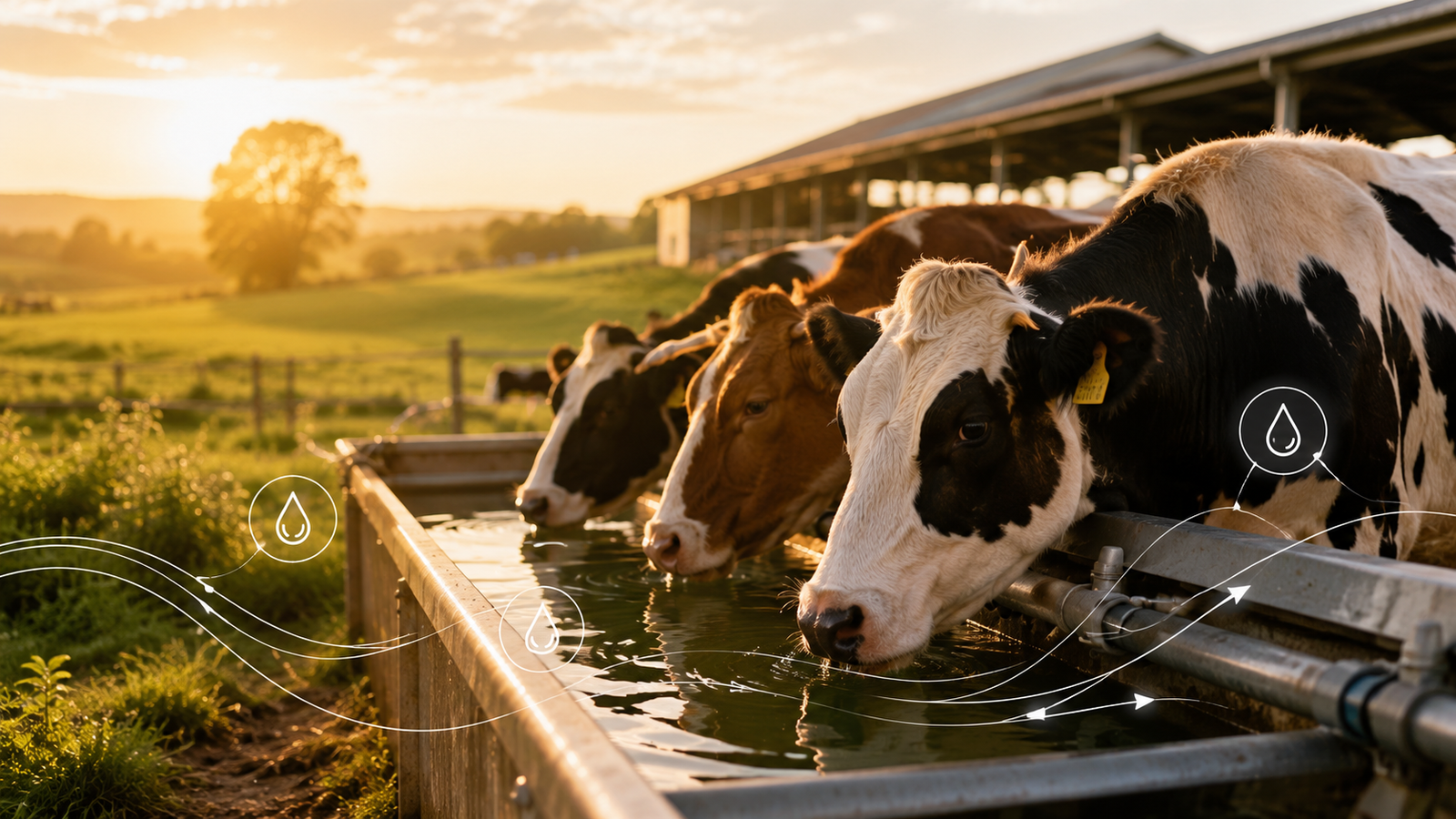
Livestock farming places a massive demand on local water supplies. The volume of water required varies significantly based on species, body weight, production stage (such as lactation), and ambient temperature. In hot weather, a single dairy cow can require up to 170 liters of water per day, while even moderate temperatures necessitate upwards of 100 liters. Beyond drinking, hygiene processes such as cleaning milk parlors add another 70 liters per cow daily.
Why Water Volume Varies
Water intake is not static. It fluctuates with environmental heat stress, dietary dry matter content, and physiological state. Lactating animals have substantially higher needs due to the water content in milk. Similarly, growing animals require consistent hydration to support metabolic development. Failure to meet these baseline needs results in immediate drops in productivity, including reduced milk yield, slower weight gain, and increased susceptibility to disease.
Daily Water Consumption by Animal Type
Accurate infrastructure sizing requires specific data. The following table outlines average daily water consumption ranges for common livestock. These figures serve as a baseline for calculating total farm demand.
| Animal Category | Sub-Category | Daily Water Intake (Liters) |
|---|---|---|
| Cattle | Cow with calf | 50 |
| Dairy cow in milk | 68 – 155 | |
| Yearling | 24 – 36 | |
| 2-year-old cow | 36 – 50 | |
| Pigs | Lactating sow | 18 – 23 |
| Gestating sow/boar | 13 – 18 | |
| Fattening pig | 3 – 10 | |
| Weaner | 1 – 3 | |
| Poultry (per 1,000 birds) | Broilers (1-4 weeks) | 50 – 250 |
| Broilers (5-8 weeks) | 345 – 470 | |
| Laying fowl | 180 – 320 | |
| Pullets | 30 – 180 | |
| Sheep | Ewe with lamb | 9 – 10.5 |
| Pregnant ewe/ram | 4 – 6.5 |
When planning your water system, always account for peak demand scenarios, such as heatwaves, where intake can spike significantly above these averages. Additionally, remember that these figures represent drinking water only; operational water for cleaning and processing must be added to your total capacity calculations.
Reliable Water Delivery
Size Your System for Peak Demand
Moving thousands of liters daily for livestock requires precise pump sizing. Share your herd size and water source details, and we will help you design a reliable solar solution.
Calculating Irrigation Water Requirements for Crops
While livestock water needs are relatively constant, crop irrigation demands are dynamic, driven by soil properties, climate conditions, and plant growth stages. Efficient irrigation is not about applying the maximum amount of water, but rather applying the right amount at the right time to maintain optimal soil moisture within the root zone.
The Role of Soil and Climate
Soil acts as a reservoir for water, but its capacity varies drastically by texture. Sandy soils drain quickly and hold less water, requiring frequent, smaller irrigation events. Clay soils retain more moisture but drain slowly, risking saturation and root rot if overwatered. Understanding your soil’s Field Capacity (the maximum water available to plants after drainage) and Permanent Wilting Point (when plants can no longer access water) is essential for precision farming.
For example, sandy loam soil holds approximately 9.8% available water. If a crop like corn has a rooting depth of 3 feet, the root zone contains about 3.5 inches of available water. To prevent stress, irrigation should typically be scheduled before 40-50% of this available water is depleted.
The Checkbook Method for Irrigation Scheduling
One of the most effective tools for managing crop water is the “checkbook method.” This approach treats soil moisture like a bank account:
- Deposits: Rainfall and irrigation applications.
- Withdrawals: Crop water use, known as Evapotranspiration (ET).
By tracking daily ET data from local weather stations and subtracting it from your soil’s water balance, you can determine exactly when to irrigate. The goal is to refill the soil to field capacity without exceeding it, thereby avoiding deep percolation and nutrient leaching. Modern mobile apps and Excel-based schedulers can automate these calculations, using real-time weather data to predict upcoming water deficits.
Reducing Waste: From Flood to Precision Systems
Traditional flood or furrow irrigation methods are highly inefficient, often losing significant volumes of water to evaporation and runoff. Transitioning to precision irrigation technologies can dramatically reduce water waste while improving crop yields.
Common Sources of Water Loss
Inefficient systems apply water uniformly across a field, regardless of soil variability or plant needs. This leads to:
- Evaporation: Water lost to the atmosphere before reaching roots.
- Runoff: Water flowing off the field surface, carrying topsoil and fertilizers.
- Deep Percolation: Water draining below the root zone, becoming unavailable to plants.
Efficient Irrigation Technologies
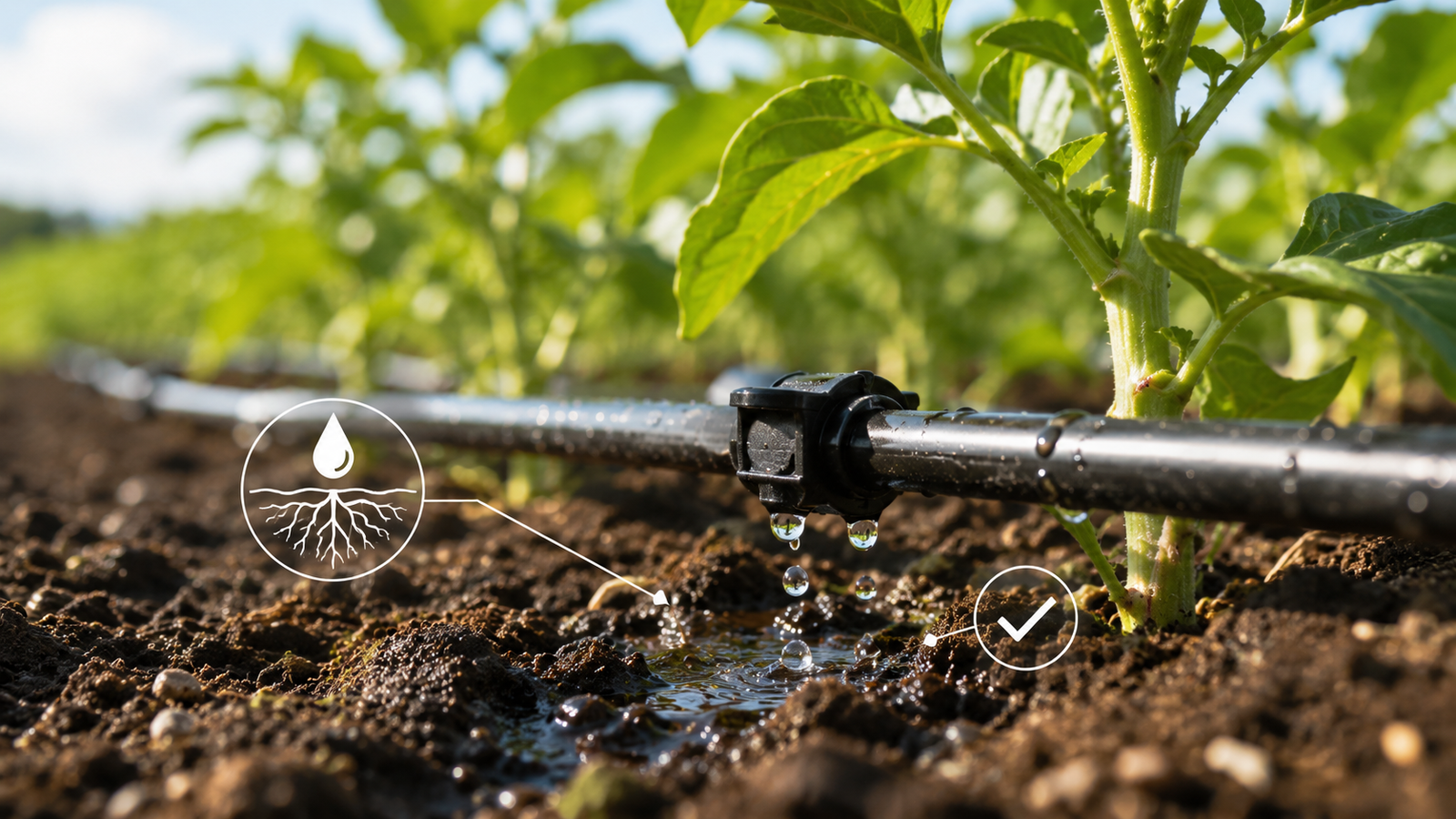
Drip Irrigation: This system delivers water directly to the plant roots at a controlled rate. By minimizing exposure to air and sun, drip irrigation reduces evaporation losses and ensures nearly 100% of applied water is usable by the crop. It is particularly effective for high-value crops and orchards.
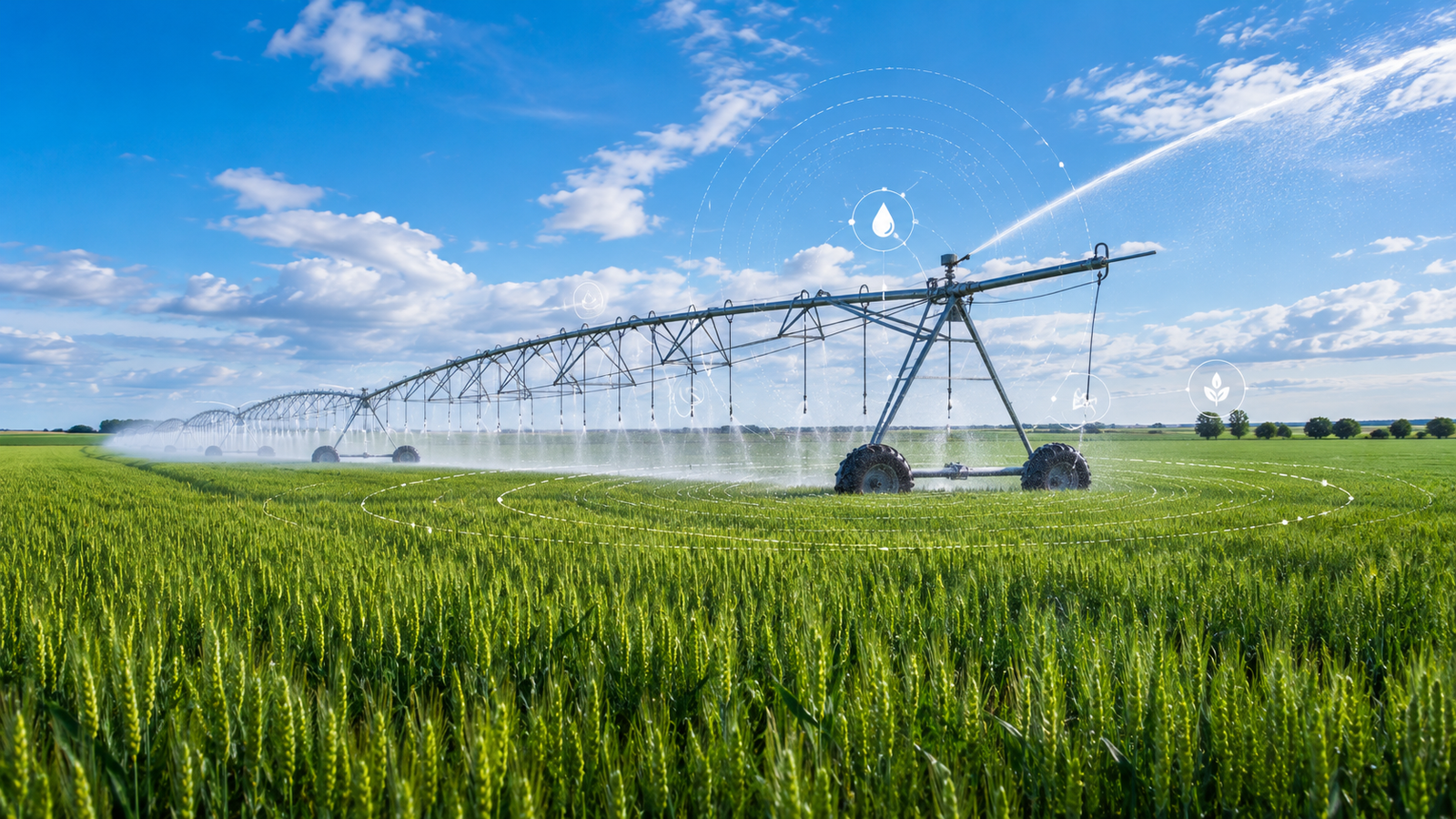
Sprinkler Systems: While more efficient than flood irrigation, sprinklers are still subject to wind drift and evaporation. However, modern low-pressure sprinklers can provide good coverage for pasture and field crops when paired with accurate scheduling.
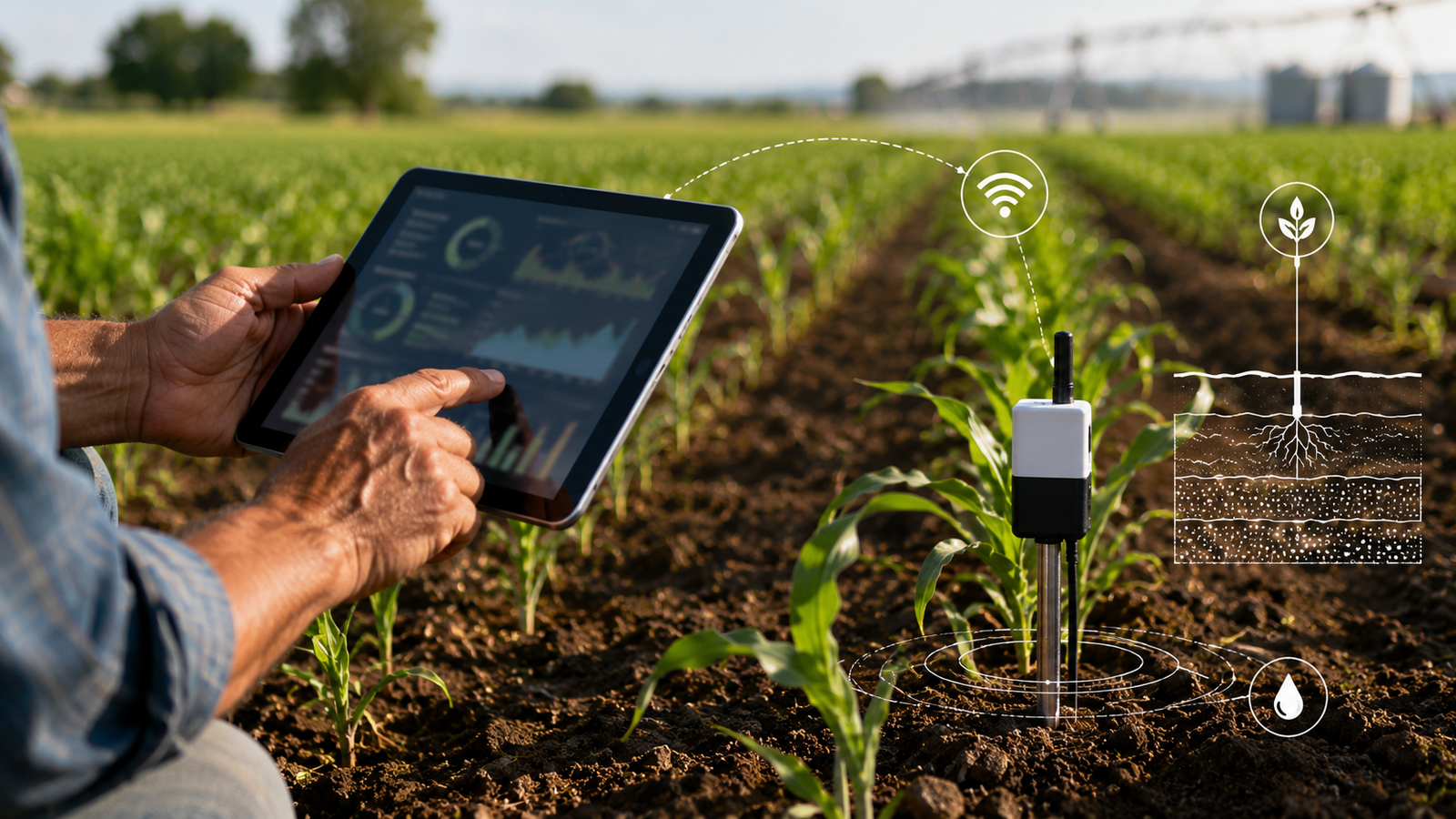
Implementing these systems requires consistent water pressure and flow, which is where reliable pumping infrastructure becomes critical. Solar-powered pumps offer an ideal solution, providing high-volume output during daylight hours when evapotranspiration rates are highest.
Integrating Solar Pumping for Sustainable Water Management
Securing a reliable water supply is the foundation of any successful farm. Solar pumping systems eliminate fuel costs, reduce maintenance, and provide scalable power for both livestock troughs and irrigation networks.
Matching Pump Capacity to Daily Demand
To size a solar pump correctly, you must first calculate your total daily water requirement by summing livestock drinking needs, hygiene usage, and crop irrigation volumes. Since solar pumps only operate during sunlight hours, it is essential to pair them with adequate storage tanks. This allows you to pump water when the sun is shining and store it for use during early morning, evening, or cloudy periods.
Benefits of Solar for Remote and Off-Grid Farms
For farms located far from the electrical grid, diesel generators have traditionally been the only option. However, diesel engines require regular maintenance, fuel logistics, and incur high operational costs. Solar pumping systems offer a silent, emission-free alternative with minimal moving parts. They are particularly well-suited for remote pastures where running power lines is prohibitively expensive.
By integrating solar technology with precision irrigation and accurate water budgeting, farmers can build resilient operations that thrive despite climate variability and rising resource costs.
Optimize Your Farm
Secure Your Water Future
Ready to reduce waste and ensure consistent supply? Let Sunbeam Pump design a solar water system tailored to your specific daily livestock and irrigation requirements.
Frequently Asked Questions
How much water does a dairy cow need per day?
A dairy cow in milk typically requires between 68 and 155 liters of water per day, depending on temperature and milk production levels. In hot weather, this can rise to 170 liters or more.
What is the most water-efficient irrigation method?
Drip irrigation is generally considered the most efficient method, as it delivers water directly to the root zone, minimizing losses from evaporation and runoff compared to sprinkler or flood systems.
How does soil type affect irrigation scheduling?
Soil texture determines water holding capacity. Sandy soils hold less water and require more frequent, lighter irrigation, while clay soils hold more water but require careful management to avoid saturation and poor aeration.
Can solar pumps handle high-volume livestock watering?
Yes, solar pumps can be sized to meet high-volume demands. By using large storage tanks, farmers can accumulate water throughout the day to ensure livestock have continuous access, even when the sun is not shining.